Heat Cables for the Roof Edge, Gutters and Downspouts
Heat cables are electric cables laid in a zigzag along the lowest roof edge and run through the gutters and down the downspouts. They warm a narrow channel so meltwater can leave the roof instead of freezing at the eave and building into an ice dam. They also keep gutters and downspouts from freezing solid.
Describe the job and add your city. Free to request, no obligation.
Ice in a gutter is heavy. A full trough of frozen water can pull hangers out of the fascia and bend the front edge, and a blocked downspout sends meltwater over the side and down the wall, where it freezes into curtains of ice. A cable that keeps one clear route open from roof edge to ground prevents most of it.
Cables manage the symptom at the gutter end of the roof. They do not change why snow melts in the first place, which is heat escaping from the house. If ice dams are a repeated problem, ask about that too, and treat the cables as the gutter-side fix.
What the work includes
- Checking the roof edge, gutters and downspouts for the best cable route
- Choosing self-regulating or constant-wattage cable and a controller or thermostat
- Securing the cable in clips along the shingles at the edge
- Running a loop through each gutter and down each downspout
- Connecting to a power supply on a ground-fault protected circuit
- Fitting a switch, thermostat or moisture sensor so the cable does not run all winter
- Labelling the plug-in or switch and showing how to use it
- Testing the cable before the crew leaves
Signs heat cables could help
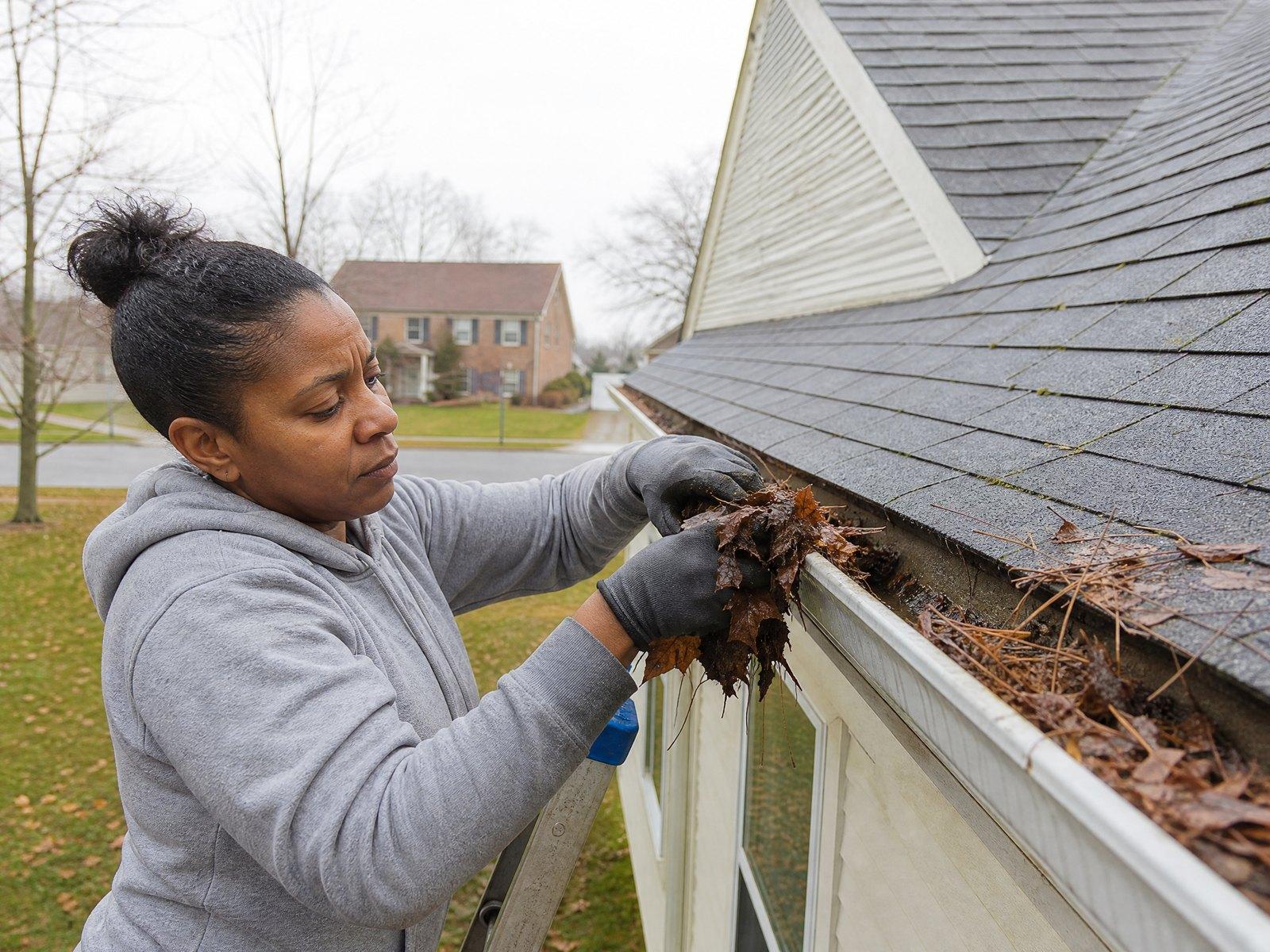
Ice builds up in a ridge at the roof edge and in the gutters each winter
Downspouts freeze solid and meltwater spills down the wall
Heavy icicles hang off the eaves above doors or walkways
Gutters bend or pull off the fascia under ice weight
A north-facing or shaded roof edge never thaws
Water comes into the ceiling along an outside wall during thaws
How the work goes, step by step
Describe the ice
Say where it forms, how severe it gets and how many storeys the house has.
Plan the route
A local specialist maps cable along the roof edge, through gutters and down downspouts.
Check power
The nearest outdoor outlet, the circuit and the controls are reviewed.
Written quote
The quote lists cable type, footage, controls, electrical work and cleanup.
Install and test
Cables are clipped in, connected and tested, and you see how to switch them.
What changes the price
- Length of cable
- The footage along the roof edge, gutters and downspouts sets the material cost.
- Type of cable
- Self-regulating cable costs more than basic constant-wattage cable.
- Controls
- Thermostats and moisture sensors add cost and cut running time.
- Roof pitch and height
- Steep or tall roofs need more safety gear and time.
- Electrical work
- A dedicated circuit or outdoor outlet costs extra if none exists.
- Running costs
- Heat cables use electricity whenever they are on, so controls matter.
What a good quote spells out
- Where the cable runs: roof edge, gutters, downspouts or all three
- The type of cable and the controller or thermostat that comes with it
- How the cable is powered, and who handles any electrical work
- What the system is expected to do and not do, and the running cost to expect
- Warranty terms on the cable and the installation, in writing
Heat Cables & Ice Dam Prevention: questions people ask
Do heat cables prevent ice dams?
They keep a drainage path open, which stops water backing up under the shingles in many cases. They do not stop the melting itself, which is caused by house heat reaching the roof.
How much do heat cables cost to run?
It depends on the cable length, wattage, local power rates and how long they run. Thermostats and moisture sensors cut usage by limiting run time to when they are needed.
Are heat cables safe?
They are, when installed with the right cable on a ground-fault protected circuit and used as directed. Follow the maker's instructions and have electrical work done properly.
Should the cable run all winter?
No. Controls turn it on only when it is cold and wet, which saves power and wear.
Can cables go in existing gutters?
Yes. They can be added to most gutters and downspouts, though old or damaged gutters may be better replaced first.
Other Torrent services
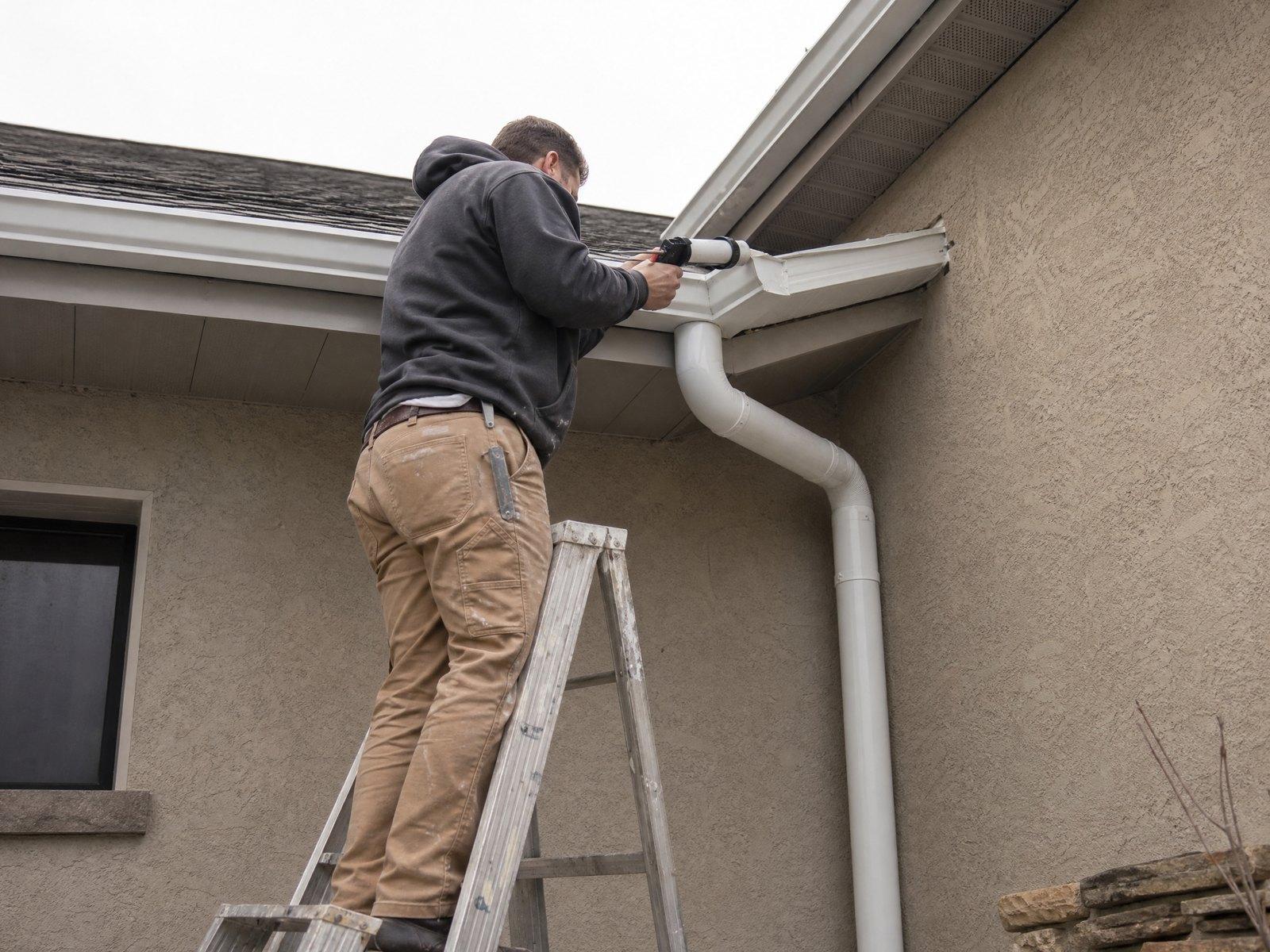
Overflowing, Leaking or Sagging? Get It Looked At.
Fill out the quote form with your city and what you are seeing. A local specialist follows up to look at the roofline and give you a written quote. Free to request, no obligation.
Request a free quote →